
Sandwiched
Living as Gen X in between Silent and Z

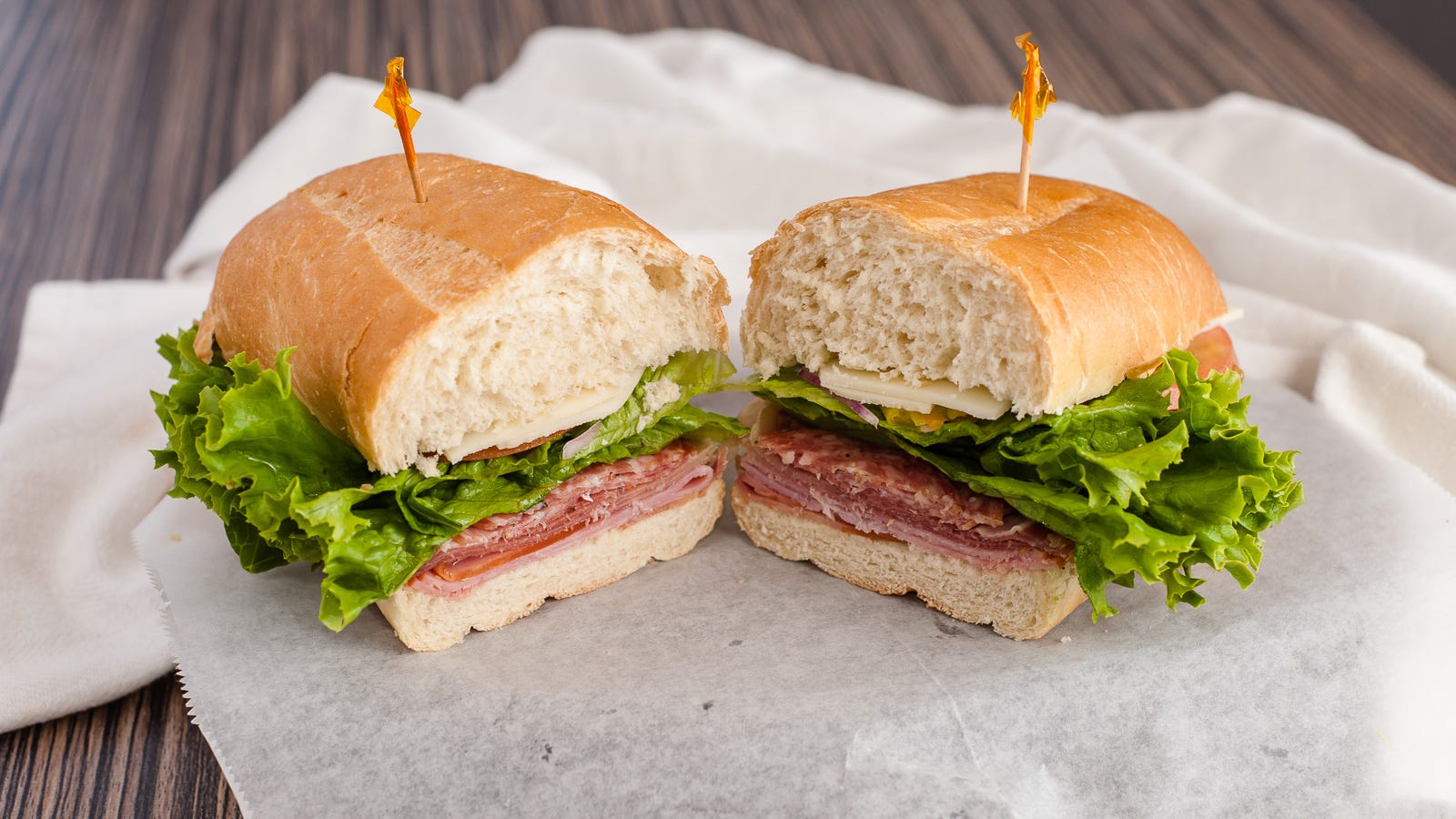
Photo: Jose Nicdao, Creative Commons
Recently, I’ve joined the ranks of the “sandwich generation” — middle-aged humans who are caregiving for both older and younger relatives. I am a step-person in the lives of two Gen Z individuals who sometimes live at home, in between semesters that seem far shorter than I remember from my college days three decades ago. I am also the primary health care advocate for my 85-year-old mother, who lives six hours away. She recently took a fall and broke her leg, resulting in a complicated surgery and ICU admission, followed by a couple of weeks in rehab. I’ve begun to experience the cognitive dissonance involved with, say, brainstorming how to improve a GPA while simultaneously figuring out the safest brand of shower chair.
It occurs to me that, though the details are quite different, certain fundamentals of caregiving remain the same. Someone at either end of the sandwich has some form of conundrum, and the job of the person in the middle is to listen, consider different perspectives and options, and then make some hopefully helpful suggestions. Sometimes direct action is needed, like calling doctors’ offices and moving appointments so my mom doesn’t need to be driven an hour and a half to the same place two days in a row. Or moving the clothes from the washing machine to the dryer because a young human has caused a laundry workflow stoppage. Sometimes the circumstantial contours are identical, like being afraid a loved one will fall down the stairs because of incapacitation, whether due to leg fracture or inebriation.
One thing I’m not sure has gotten much attention is the mutually reinforcing nature of caregiving, such that efforts made at one end of the spectrum help me become a better caregiver at the other end of the spectrum. For instance, the more I practice being patient as one young human complains about not having any food in the very full fridge, the more I seem to find patience when my mom forgets that we had the exact same conversation yesterday as today. Or how my ability to overlook the shoes, clothes, cups, and empty food containers strewn across my kitchen and living room by young adults bolsters my ability to overlook the bills, newspapers, sticky notes, and mail-order catalogues scattered around the kitchen and living room at my mother’s house. At least there’s some efficiency and effectiveness produced in this sandwich.
Another thing I feel I’m doing a decent job of is taking care of myself in the middle of the sandwich. Yoga. Meditation. Exercise. Stretching. Hydrating. Nutrition (mostly). But I could still do a better job of finding my own identity. Am I the meatballs in this sandwich? The lettuce? I do think it’s important for me to find my identity and hold onto it. I don’t want to be swallowed up or become the sauce that gets squished around throughout the entire sandwich. Maybe I could become The Big Cheese, serving in a leadership capacity of humans of varying ages. I’m not entirely sure. I just know that it’s a unique experience that is teaching me more than I can fully appreciate at the moment. Because, if you’ll excuse me, I need to now go help a young person pack their duffel bag of clean laundry to take on the bus back to school before packing my own bag to go to mom’s for a few days, all before bedtime.
The thing about sandwich is that it's not unique - or shouldn't be. It's a whole demographic category and transcends race, ethnicity, income, etc. And the fact that everyone facing the sandwich (or really facing most care-providing) feels alone, ad hoc, unsupported is a structural and societal deficit.